
- Gold/Au $7118.40
- Silver/Ag $114.93
- Platinum/Pt $2890.16
- Palladium/Pd $2572.23
- Last Update: 7th Oct 2025 @ 15:56pm


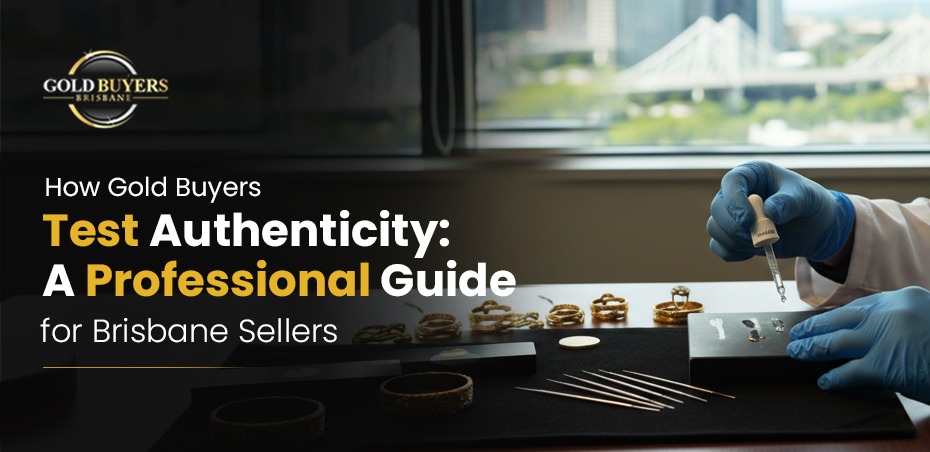
How Gold Buyers Test Authenticity: A Professional Guide for Brisbane Sellers
Why Gold Authenticity Testing Is Non-Negotiable
When selling gold, the biggest concern for most people isn’t just the price—it’s whether their jewellery or bullion is being assessed accurately and fairly. With plated items, mixed alloys, and counterfeit pieces becoming more common, professional gold buyers cannot rely on appearance alone. Authenticity testing is a critical first step before any valuation or offer is made.
Reputable gold dealers in Brisbane follow structured testing processes designed to confirm purity without unnecessary damage to your items. These tests protect both parties: buyers avoid costly mistakes, and sellers gain confidence that their gold is being valued based on facts, not guesswork.
Many sellers begin their journey by searching for “cash for gold near me,” but not all buyers use the same level of testing or transparency. Understanding how authenticity is verified helps you recognise professional standards and avoid undervaluation.
From modern, non-destructive technologies to traditional chemical and physical checks, professional gold buyers rely on multiple testing methods rather than a single approach. In this guide, we’ll break down the tools and techniques used to confirm gold authenticity before purchase, so you know exactly what to expect when dealing with experienced Brisbane gold brokers.
First-Level Checks: Visual Inspection & Hallmarks
Before any advanced testing begins, professional gold buyers start with first-level checks. These initial assessments help identify obvious red flags and determine which testing methods are most appropriate for the item being evaluated. While these checks alone are not enough to confirm authenticity, they play an important supporting role in the overall process.
Visual Examination by Experienced Buyers
A trained eye can reveal a lot about a gold item within seconds. During visual inspection, buyers look closely at colour consistency, wear patterns, and signs of plating or alteration. Particular attention is paid to high-friction areas—such as the inside of ring bands, clasp edges, and chain links—where gold plating tends to wear away first, exposing base metals underneath.
During this stage, buyers typically assess:
- Colour consistency across the piece
- Wear patterns on edges, clasps, and raised areas
- Signs of plating rubbing off over time
- Solder joints that may indicate mixed metals
Experienced gold dealers in Brisbane often spot inconsistencies that are easy for untrained sellers to miss. For example, a piece may appear solid gold on the surface but reveal a different base metal at stress points or joins. However, visual inspection is never used as a final decision-making tool, as modern counterfeits can closely mimic the look of genuine gold.
Understanding Hallmarks and Stamps
Hallmarks are small stamps found on many gold items that indicate purity, manufacturer, or country of origin. Common examples include:
- 375 (9 karat gold)
- 585 (14 karat gold)
- 750 (18 karat gold)
- 916 (22 karat gold)
While hallmarks provide useful clues, they are not foolproof. Stamps can be worn down, altered, or even forged. Some imported or older pieces may also lack hallmarks entirely despite being genuine. This is why professional buyers treat hallmarks as guidelines rather than proof.
Brisbane gold brokers use visual checks and hallmark identification to guide the next stage of testing—not to replace it. These first-level assessments ensure the most accurate tools are applied, saving time while maintaining transparency for sellers.
Also Read: How Gold Purity and Hallmarks Affect Your Payout
Non-Destructive Professional Testing Methods
Once initial visual checks are complete, professional gold buyers move on to non-destructive testing methods. These tools allow purity and composition to be analysed without cutting, scratching, or damaging the item. For sellers, this stage is especially reassuring, as valuable or sentimental pieces remain intact throughout the evaluation.

Modern Brisbane gold brokers rely on technology-driven testing to ensure accuracy, speed, and transparency before making an offer.
XRF Technology: Fast, Accurate, and Non-Invasive
X-ray fluorescence (XRF) testing is one of the most trusted methods used by professional gold buyers today. An XRF machine scans the surface of a gold item using low-level X-rays, then analyses the reflected energy to determine its exact metal composition.
This process reveals:
- Gold purity percentage
- Presence of other metals such as silver, copper, zinc, or nickel
- Whether an item is solid gold, gold-filled, or plated
XRF testing is highly valued because it delivers results in seconds and does not alter the item in any way. Jewellery, coins, and bullion can all be tested without removing clasps or stones, making it ideal for in-person evaluations.
While XRF technology provides exceptional accuracy, experienced buyers understand its limitations. Because the scan focuses primarily on surface composition, XRF results are often verified alongside other testing methods to ensure complete confidence—especially for thicker or layered items.
XRF machines, sometimes referred to as karatmeters, are recognised in material science and precious metal analysis as a non-destructive and reliable method for measuring gold purity and elemental composition.
See Exactly How Your Gold Is Tested
Curious about your jewellery’s true purity? Watch your gold being tested in real time using advanced XRF analysis at our Brisbane office, with results in minutes and no damage to your items.
Electronic and Conductivity-Based Testing Devices
In addition to XRF machines, many gold dealers in Brisbane use electronic testers that measure electrical conductivity. Gold has unique conductive properties, and these devices compare readings against known purity benchmarks.
Electronic testing is particularly useful for:
- Rapid screening of multiple items
- Identifying obvious inconsistencies
- Supporting XRF or chemical test results
However, conductivity testing alone cannot distinguish between solid gold and items with thick gold plating over a different core metal. For this reason, professional buyers treat electronic testers as supporting tools, not final decision-makers.
By combining XRF analysis with electronic testing, Brisbane gold brokers ensure that non-destructive evaluations remain both efficient and reliable. This layered approach allows buyers to confirm authenticity while maintaining the integrity of the item being tested.
Chemical Testing Methods Used by Gold Buyers
While non-destructive tools provide fast and reliable insights, professional gold buyers also rely on chemical testing methods when additional confirmation is needed. These techniques have been used for decades and remain relevant today, especially when evaluating mixed alloys or items that require deeper verification.
When performed correctly by experienced professionals, chemical testing is controlled, precise, and minimally invasive.
Nitric Acid Testing: Confirming Gold Purity
Nitric acid testing is one of the most well-known methods used to verify gold authenticity. The process involves applying a small amount of nitric acid to a discreet test area or a fine scratch made on the item. Because gold is highly resistant to nitric acid, genuine gold will not react, while base metals or lower-purity alloys will show visible changes.
Professional buyers use different acid strengths to test various karat levels, allowing them to identify whether an item is 9K, 14K, 18K, or higher. This targeted approach helps confirm purity rather than relying on assumptions.
A common concern among sellers is whether nitric acid testing damages jewellery. When handled by trained professionals, the impact is minimal and often limited to an area that is not visible during wear. This controlled method allows buyers to gather accurate information without compromising the value of the piece.
The Touchstone Method: A Traditional Yet Effective Technique
The touchstone method is a traditional form of gold testing that is still used by experienced buyers today. It involves rubbing a small section of the gold item against a black testing stone, leaving a visible streak. Acids of varying strengths are then applied to the streak to observe how it reacts.
This method allows professionals to compare the reaction against known gold samples and assess approximate purity. While it does involve light surface contact, it remains a trusted technique when combined with modern tools such as XRF machines.
Brisbane gold brokers often use chemical testing methods alongside non-destructive technology to cross-check results. This combination ensures that authenticity is verified accurately, even when dealing with older jewellery, unusual alloys, or items without clear hallmarks.
Physical Property Tests: Density, Weight & Magnet Checks
In addition to advanced tools and chemical testing, gold buyers sometimes rely on physical property tests to support their findings. These methods are based on gold’s natural characteristics and are useful for identifying obvious inconsistencies. However, they are never used in isolation when determining authenticity or value.
Density and Specific Gravity Testing
Gold is one of the densest metals used in jewellery and bullion, which makes density testing a valuable verification tool. Specific gravity testing compares the weight of an item in air to its weight when submerged in water. Because pure gold has a known density, deviations from expected results can indicate the presence of other metals.
This method is especially helpful when assessing:
- Solid gold bars or coins
- Items without stones or hollow sections
- Larger pieces where precision improves accuracy
While density testing can provide strong indicators, it requires careful measurement and calibration. This is especially important because some modern counterfeit items use materials such as tungsten, which closely mimics gold’s weight and feel. As a result, basic weight checks alone may not reveal internal inconsistencies, which is why density testing is always paired with advanced verification tools.
Magnet Testing: Quick but Limited
Magnet testing is one of the simplest ways to identify non-gold materials. Pure gold is not magnetic, so if an item is strongly attracted to a magnet, it is likely made from or contains base metals such as iron or steel.
That said, passing a magnet test does not confirm authenticity. Many non-magnetic metals can still be used in counterfeit or gold-plated items. For this reason, reputable gold dealers in Brisbane use magnet testing only as an initial screening step, never as a final assessment.
By combining physical property tests with advanced chemical methods, Brisbane gold brokers create a more complete picture of an item’s authenticity. Each test contributes a piece of information, helping buyers make accurate and transparent evaluations before purchase.
Advanced & Laboratory-Level Testing Methods
In some cases, gold authenticity cannot be fully confirmed using on-site tools alone. For high-value items, large quantities, or disputed evaluations, professional buyers may rely on advanced or laboratory-level testing methods. These techniques offer the highest levels of accuracy but are not typically used for routine retail transactions.
Fire Assay Testing: The Most Accurate Method
Fire assay is considered the most precise method for determining gold purity. The process involves melting a sample at extremely high temperatures to separate pure gold from other metals. The resulting gold content is then measured with exceptional accuracy.
Despite its reliability, fire assay is destructive and time-consuming. For this reason, it is usually reserved for:
- Refinery-level testing
- Bulk gold transactions
- Situations requiring legal or contractual verification
Retail gold buyers rarely use fire assay for individual jewellery pieces, as the process permanently alters or destroys the item.
For most individual sellers, however, professional on-site testing provides more than enough accuracy without the need for destructive analysis.
Laboratory Spectrometry and Advanced Analysis
In specialised situations, items may be sent to a laboratory for advanced spectrometry or metallurgical analysis. These tests can identify complex alloy compositions and detect layered or internally filled materials that are difficult to confirm on-site.
Bullion dealers in Brisbane are more likely to use laboratory testing when evaluating investment-grade bars or coins, particularly when dealing with sealed or high-purity products. For everyday sellers, however, these methods are unnecessary, as professional on-site testing provides sufficient accuracy and transparency.
By understanding when advanced testing is used—and when it isn’t—sellers can better appreciate the efficiency of professional gold buying processes and avoid unrealistic expectations during standard evaluations.
Why Professional Gold Buyers Use Multiple Testing Methods
No single gold testing method can provide complete certainty on its own. There is no “magic bullet” when it comes to gold authentication. Each technique—whether visual, physical, chemical, or electronic—reveals different information, which is why professional buyers cross-verify results before concluding.
For example, an item may pass a visual inspection and display a valid hallmark, yet still contain mixed metals beneath the surface. Similarly, XRF testing may show a high gold percentage on the exterior, while density or chemical testing reveals inconsistencies internally. By cross-verifying results, buyers significantly reduce the risk of error.
Reputable gold dealers in Brisbane follow structured evaluation processes that combine:
- Visual inspection and hallmark identification
- Non-destructive testing, such as XRF and electronic devices
- Chemical methods, like nitric acid testing when needed
- Physical checks, including density or magnet testing
This layered approach ensures that no single result is taken at face value. Instead, each test supports or challenges the others, leading to a more accurate and fair assessment.
For sellers, this multi-method process means greater transparency and confidence. When dealing with experienced Brisbane gold brokers, offers are based on verified data rather than assumptions. This protects the value of your gold and helps build trust throughout the transaction.
Gold Authenticity Testing Methods: Accuracy vs Damage Risk
Accuracy levels reflect professional use under standard conditions and may vary based on equipment quality and operator experience.
| Testing Method | Accuracy Level | Damage Risk | Common Use Case |
|---|---|---|---|
| Visual Inspection & Hallmarks | Low–Moderate | None | Initial screening and identifying obvious red flags |
| Magnet Testing | Low | None | Quick elimination of base metals |
| Density / Specific Gravity | Moderate | None | Solid items, bars, and coins |
| Electronic Conductivity Testing | Moderate | None | Fast screening alongside other tests |
| XRF Technology | High | None | Jewellery, coins, and bullion without damage |
| Nitric Acid Testing | High | Minimal | Confirming karat levels and mixed alloys |
| Touchstone Testing | High | Minimal | Traditional purity comparison |
| Fire Assay | Very High | High (Destructive) | Refineries, bulk gold, and legal verification |
| Laboratory Spectrometry | Very High | None | High-value or disputed items |
Common Myths About Gold Authenticity Testing
Despite professional testing being a standard part of gold buying, many sellers hesitate because of common misconceptions. Clearing up these myths helps set realistic expectations and allows sellers to approach the process with confidence.
Myth 1: Gold Testing Will Damage My Jewellery
Professional testing is designed to minimise impact. Non-destructive methods like XRF scanning do not affect jewellery at all. Even chemical testing, when required, is performed on small, discreet areas and does not reduce the item’s value when handled correctly.
Myth 2: Hallmarks Guarantee Gold Purity
While hallmarks offer helpful clues, they are not definitive proof. Stamps can wear down, be altered, or even forged. This is why reputable buyers always verify hallmarks using additional testing methods rather than relying on markings alone.
Myth 3: All Gold Buyers Use the Same Testing Process
Testing standards vary widely. Some buyers rely on basic tools, while others use advanced technology and cross-verification methods. Professional gold dealers in Brisbane distinguish themselves by using multiple tests to ensure accuracy and transparency.
Myth 4: DIY Tests Are Just as Reliable as Professional Testing
Home testing kits and online methods may provide rough indications, but they lack the precision of professional equipment and experience. Sellers looking for fair valuations benefit from working with experienced Brisbane gold brokers who follow established testing protocols.
What Sellers Should Expect During a Professional Gold Test
When you visit our Upper Mt Gravatt office, your gold is tested in your presence from start to finish. For many people, selling gold is not something they do often, so understanding the process beforehand helps remove uncertainty and build confidence.
Our team explains each step clearly—whether it involves visual inspection, XRF scanning, or additional verification methods. Most evaluations are completed within minutes, especially when non-destructive tools are used.
Sellers are often shown test results directly on digital displays or informed of findings as the process unfolds. This transparency allows you to see how purity levels are determined and how they influence pricing. If further testing is required, the buyer should clearly explain why and what it involves.
Many people searching for “cash for gold near me” worry about being rushed or pressured. Professional Brisbane gold brokers focus on clarity rather than speed, ensuring sellers understand their options before accepting any offer. There is no obligation to proceed if the valuation does not meet expectations.
Knowing what to expect during testing helps sellers approach the process with confidence, ask informed questions, and recognise professional standards when choosing where to sell their gold.
Professional testing accuracy also depends on equipment standards. Advanced tools such as XRF machines and electronic testers are regularly calibrated against known reference materials to maintain reliable results. This ensures that readings remain consistent and accurate over time, particularly when evaluating high-value or mixed-metal items.
Conclusion: Transparency Builds Trust in Gold Buying
Gold authenticity testing isn’t about suspicion — it’s about accuracy, fairness, and protecting your value. From visual checks and hallmarks to advanced tools like XRF scanning and chemical verification, professional gold buyers rely on multiple methods to confirm what your gold is truly worth.
No single test tells the whole story. This is why experienced Brisbane gold brokers use a layered approach, ensuring results are cross-verified before any offer is made. For sellers, this means greater transparency, clearer explanations, and valuations based on verified data rather than assumptions.
Whether you are selling jewellery, coins, or investment-grade gold, choosing reputable gold dealers in Brisbane who openly explain their testing process helps protect your interests. When authenticity is confirmed through professional standards, trust naturally follows—and fair transactions become the outcome.
Ready to Sell with Confidence?
Visit our secure Brisbane office today for a transparent, lab-grade valuation.
About the Author
Raj, Specialist at Gold Buyers Brisbane
With deep expertise in the gold buying industry, Raj leads Gold Buyers Brisbane’s mission to provide fair and transparent cash offers for gold. Committed to customer satisfaction, Raj ensures clients receive trusted valuations and seamless transactions, leveraging extensive knowledge of the local market and current gold trends.
About the Company
Gold Buyers Brisbane is a premier gold buying service based in Brisbane, dedicated to offering the highest cash payouts for gold. With a focus on trust, transparency, and expert evaluations, Gold Buyers Brisbane helps customers get the best value for their gold items quickly and securely. Serving the Brisbane community, the company blends industry expertise with customer-centric service to make gold selling a confident and rewarding experience.
Frequently Asked Questions
-
How do gold buyers check gold purity before buying?
Professional gold buyers use a combination of methods, including visual inspection, hallmark verification, XRF scanning, chemical testing, and physical property checks. Using multiple tests together ensures accurate purity assessment and fair valuation before purchase. -
How does a jeweller or gold buyer test for real gold?
A jeweller or professional gold buyer tests gold by examining hallmarks, analysing metal composition with XRF technology, applying nitric acid tests when needed, and verifying density or conductivity. These methods confirm authenticity without relying on appearance alone. -
How accurate is the vinegar test on gold?
The vinegar test is not a reliable or professional method for testing gold. While it may show reactions on fake or plated items, it cannot accurately determine purity or karat level. Professional testing methods provide far more accurate and trustworthy results. -
What is the best method of gold testing?
There is no single “best” method on its own. Professional gold buyers achieve the highest accuracy by combining non-destructive XRF testing with chemical and physical verification methods. This layered approach reduces errors and ensures precise evaluations. -
What are three ways to test if gold is real at home?
Common at-home methods include magnet testing, vinegar testing, and basic visual inspection. These tests may identify obvious fakes but cannot confirm purity or value. For accurate results, professional testing is strongly recommended. -
What is the most accurate gold tester used by professionals?
Fire assay is the most accurate method overall but is destructive and used mainly by refineries. For everyday evaluations, XRF machines are the most accurate non-destructive gold testers used by professional buyers. -
Do gold testers damage the gold?
Most professional gold testing methods do not damage gold at all. XRF scanning and electronic testing are completely non-destructive. Chemical testing, when required, is done carefully on small, discreet areas and does not reduce the item’s value.
