
- Gold/Au $7493.04
- Silver/Ag $125.86
- Platinum/Pt $3183.51
- Palladium/Pd $2648.20
- Last Update: 7th Oct 2025 @ 15:56pm


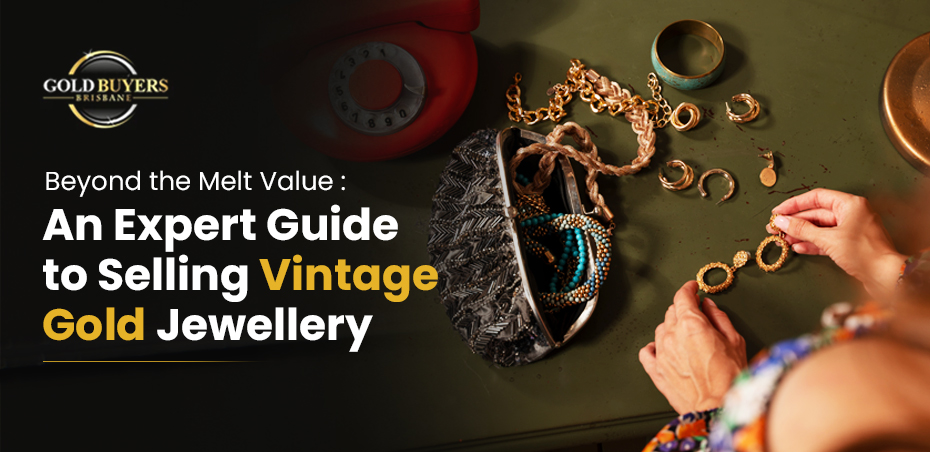
Beyond the Melt Value: An Expert Guide to Selling Vintage Gold Jewellery in 2026
The Hidden Value in Vintage Gold
When most people think about selling gold jewellery, they think in terms of weight and today’s gold price. While that approach works for broken chains or mismatched earrings, it often falls short for vintage and heirloom pieces. Jewellery created decades ago carries more than metal value; it reflects craftsmanship, design trends, and historical context that modern mass-produced pieces simply do not replicate.
In today’s market, buyers are increasingly paying attention to when a piece was made, not just what it weighs. Jewellery from the Victorian, Edwardian, and Art Deco periods is especially sought after due to limited surviving examples and distinctive craftsmanship that is rarely replicated today. Even mid-century gold jewellery, once considered purely functional, is now seeing renewed demand as collectors seek authentic, wearable history. This growing interest means that many vintage gold pieces now command premiums that far exceed their raw gold content.
In 2026, with strong gold prices and renewed interest in unique, pre-owned jewellery, vintage gold has become especially desirable. Buyers and collectors are actively seeking pieces with character, whether they come from the Art Deco era, mid-century designs, or family estates passed down through generations. This guide explains how to recognise that hidden value and make informed decisions when selling vintage gold jewellery in Brisbane, so your piece is assessed for what it truly represents, not just what it weighs.
Scrap vs. Vintage: What’s the Difference?
Not all gold jewellery belongs in the same category, yet many sellers unknowingly treat everything as scrap. Understanding the difference between scrap gold, vintage jewellery, and antique pieces is one of the most important steps in protecting your return.
Scrap gold typically includes broken chains, damaged rings, single earrings, or heavily worn items with no identifiable design or historical relevance. These pieces are valued almost entirely on gold purity and weight, then priced against the current spot rate. For scrap items, this method is fair and efficient.
Vintage gold jewellery, generally between 20 and 100 years old, often features distinctive craftsmanship, hand-finished details, or design elements linked to a specific era. These pieces may still be perfectly wearable and, in many cases, are sought after by collectors or resale buyers who value originality over raw metal content.
Another critical distinction lies in gold purity. Many older Australian and British-made jewellery pieces were crafted in 9ct or 15ct gold, purities that are less common in modern production. Fifteen-carat gold, in particular, was phased out decades ago but remains highly desirable due to its rich colour and durability. These non-standard purities often confuse sellers, yet to experienced valuers they serve as strong indicators of age and authenticity rather than reduced quality.
Antique jewellery, usually over 100 years old, falls into a separate category altogether. Items from Georgian or Victorian periods may hold historical or collectible significance that far exceeds their melt value.
A key expert tip many sellers overlook is preparation. Avoid cleaning or polishing vintage gold before a valuation. Natural patina, surface wear, and untouched settings can help experienced buyers verify age and authenticity. Over-cleaning can unintentionally remove details that support the piece’s story and its value.
Decoding Historical Hallmarks: What Old Stamps Really Mean
One of the most overlooked indicators of value in vintage gold jewellery is the hallmark. These small stamps, often found inside rings or on clasps, provide important clues about age, origin, and composition. While many sellers notice a marking, few understand how much information it can actually reveal—or how misinterpreting it can lead to undervaluation.
Older Australian and British jewellery often uses stamp formats that differ from modern standards. For example, a piece marked “9ct” is commonly found on older jewellery, whereas newer items typically display “375” to indicate 37.5% gold purity. Both represent the same gold content, but the older stamp can suggest an earlier production period, which may support a vintage classification.
Beyond purity stamps, maker’s marks, and construction details can add meaningful context to a piece. Small initials, hand-engraved serials, or even period-specific clasps can help trace a jewellery item back to a particular workshop or era. These subtle identifiers often go unnoticed by scrap-focused buyers but can significantly influence value when assessed by professionals familiar with historical manufacturing techniques and regional design trends.
Maker’s marks add another layer of significance. These are usually small initials or symbols that identify the original manufacturer or workshop. While not every maker’s mark adds value, some are associated with respected jewellers or production houses. Even a subtle stamp—such as a set of initials—can elevate a piece from scrap-level assessment to something worthy of closer historical consideration.
It’s also important to recognise markings that manage expectations. Stamps like “P”, “GP”, or “RGP” often indicate gold-plated or rolled gold items rather than solid gold. Understanding these distinctions helps sellers approach valuations realistically and avoid disappointment. Experienced buyers use hallmarks as part of a broader evaluation, combining them with design analysis and testing methods to determine whether a piece carries value beyond its metal content.
Professional Tips for a Profitable Vintage Gold Jewellery Sale
Selling vintage gold jewellery successfully is less about speed and more about understanding how value is assessed. Unlike scrap gold transactions, vintage pieces require a broader evaluation that considers design, condition, and market demand. The following professional insights can help ensure your jewellery is reviewed fairly and positioned for the best possible outcome.
Understand the Total Piece Value, Not Just the Gold Content
One of the most common mistakes sellers make is focusing solely on gold purity and weight. Vintage jewellery is often valued as a complete item rather than as raw material. Design elements, craftsmanship, gemstone settings, and overall aesthetics can all influence desirability. Some buyers assess vintage pieces in their entirety, rather than dismantling them for melt value. This approach can preserve additional worth that would otherwise be lost if the item were treated as scrap.
It is also important to avoid over-cleaning vintage gold jewellery before it is valued. While polishing may make a piece look brighter, it can remove original patina, softening fine details that help establish age and authenticity. In some cases, aggressive cleaning may even erase hallmarks or maker’s marks. Leaving the piece in its natural condition allows a professional valuer to assess its history and true market appeal accurately.
Bring Provenance and Supporting Details When Available
Any background information you have about a piece can be surprisingly helpful. Original boxes, receipts, photographs, or even a brief family history can help establish context and uniqueness. While provenance does not automatically increase value, it can support authenticity and differentiate one item from another in a resale market that values originality. Even informal details—such as the era in which it was acquired—can help experienced buyers place the piece correctly.
Approach the Valuation as a Data-Backed Assessment
Rather than viewing the process as a negotiation, it helps to see a professional valuation as an evidence-based assessment. Reputable Brisbane buyers typically combine non-invasive testing methods, such as XRF analysis, with live market data and design evaluation. This approach reduces guesswork and ensures offers are grounded in verifiable information rather than subjective bargaining. Transparent explanations and clearly outlined factors are signs of a structured, professional process.
Not all gold buyers evaluate jewellery the same way. Scrap buyers typically focus only on weight and purity, while specialist dealers consider historical relevance, craftsmanship, and collector demand. This distinction is critical for vintage pieces, where intrinsic value often lies in the complete item rather than the metal alone. Choosing the right evaluation process can be the difference between receiving a basic melt price and unlocking the full financial potential of a rare or well-preserved piece.
Discover the True Worth of Your Heirloom
Don’t settle for a generic melt-based quote. A detailed valuation that considers design, age, and market relevance can reveal value that weight alone cannot reflect.
How Vintage Gold Jewellery Is Valued in Brisbane
Understanding how a professional valuation works helps sellers feel confident and informed throughout the process. Vintage gold jewellery is assessed using a structured approach that balances historical insight with modern testing methods. Rather than relying on a single factor, experienced buyers evaluate several elements together to determine a fair and accurate offer.
Initial Visual and Craftsmanship Assessment
The first step usually involves a detailed visual inspection. This includes examining the design style, construction techniques, setting quality, and any visible hallmarks or maker’s marks. Era-specific characteristics—such as hand-engraving, milgrain detailing, or older clasp mechanisms—can help establish whether a piece should be considered vintage rather than modern. This stage allows valuers to identify items that may warrant deeper analysis beyond weight-based pricing.
Non-Invasive Gold Purity Testing
To confirm gold content without causing damage, professional buyers use advanced testing tools such as XRF technology. This method provides precise purity readings through the surface and internal layers of the jewellery, eliminating the need for scratching or cutting. Accurate purity verification ensures the gold component is valued correctly while preserving the integrity of the piece, an important consideration for vintage and heirloom items.
Alignment With Current Market Demand
Vintage jewellery values are influenced not only by gold prices but also by collector and resale demand. Certain styles, eras, or gemstone combinations experience stronger interest at different times. By referencing current market trends and buyer preferences in Brisbane and beyond, valuers can determine whether a piece carries appeal as a complete item rather than just as recyclable metal. This market-aware approach helps prevent undervaluation.
Clear Explanation and Immediate Outcome
Once all factors are assessed, a professional valuation should be explained clearly. Sellers benefit from understanding how purity, condition, design, and demand contributed to the final figure. In most cases, the process concludes with an immediate outcome, allowing sellers to decide without pressure. Transparency at this stage is a key indicator of a reputable and experienced buyer.
Common Myths About Vintage Gold Jewellery (Debunked)
Vintage gold jewellery can be surrounded by misconceptions that, unfortunately, lead many sellers to undervalue or even mishandle unique pieces. Dispelling these myths helps you approach selling with confidence rather than uncertainty.

Myth: “If It’s Old, It’s 24K Gold”
Many people assume that older jewellery must be higher purity, often imagining it as 24K gold. This isn’t accurate. To ensure durability for everyday wear, most vintage jewellery—especially from the early to mid-20th century—is crafted in 9K or 15K gold, which balances strength with precious metal content. Higher karatages like 22K or 24K were less common for wearable jewellery because they are softer and prone to damage.
Myth: “Hallmarks or Engravings Decrease Value”
Some sellers believe that surface engravings, initials, or even hand-carved details reduce a piece’s worth. In truth, these traditional markings often support a jewellery’s provenance and authenticity, making it more appealing to collectors. Historical engravings can sometimes be traced to specific eras or makers, enhancing rather than diminishing interest.
Myth: “Vintage Means Expensive”
Not all vintage pieces command a premium. Value depends on design, era, condition, and demand. While some Victorian or Art Deco items are highly sought after, others, even if old, may have limited desirability in today’s market. Professional valuation helps distinguish between historically significant pieces and those with primarily metal value.
Myth: “Only the Gold Content Matters”
This is one of the most common misconceptions. For truly vintage jewellery, design, craftsmanship, and rarity can outweigh gold content. A simplistic melt-value offer overlooks factors that add collectible or niche market appeal. Sellers who focus solely on weight often lose out on potential profits.
Pawnbroking & Vintage Gold: Industry Context and Local Demand
Understanding the broader context in which vintage gold jewellery is traded helps sellers make smarter decisions. The jewellery and pawnbroking market continues to play an important role in providing liquidity and value realisation for individuals across Australia, including Brisbane.
According to IBISWorld estimates, the pawn shop industry in Australia is expected to generate approximately AUD 874.2 million in revenue in 2025, reflecting ongoing demand for secured transactions and the resale of assets like gold jewellery. This sizable market context supports the fact that vintage and heirloom jewellery is regularly reassessed for value beyond melt prices, especially by buyers who understand design, age, and rarity.
This figure highlights that pawn shops are not just fringe or last-resort options, but part of a legitimate market where valuable assets — including vintage and antique jewellery — continually change hands. For sellers of vintage gold, this demand translates to a healthy marketplace where knowledgeable buyers are actively assessing items beyond melt value, often focusing on historical appeal and design quality.
In Brisbane specifically, vintage pieces that align with collector interests or carry aesthetic and historical appeal are often met with stronger interest compared to generic scrap transactions. Understanding this market context can help sellers approach valuations with confidence, rather than assuming that all gold jewellery is treated the same.
Conclusion: Choosing Knowledge Over Assumptions
Selling vintage gold jewellery profitably requires more than checking the daily gold price. Pieces with age, craftsmanship, and history deserve to be assessed as complete items, not reduced to metal weight alone. By understanding hallmarks, avoiding common myths, and approaching valuations with the right preparation, sellers can protect the true worth of their jewellery. In a market where expertise makes a measurable difference, choosing informed evaluation over convenience helps ensure vintage pieces are valued fairly, transparently, and in line with their real market potential.
Ready to Discover the True Value of Your Vintage Gold?
Visit our store for a confidential, no-obligation appraisal
About the Author
Raj, Specialist at Gold Buyers Brisbane
With deep expertise in the gold buying industry, Raj leads Gold Buyers Brisbane’s mission to provide fair and transparent cash offers for gold. Committed to customer satisfaction, Raj ensures clients receive trusted valuations and seamless transactions, leveraging extensive knowledge of the local market and current gold trends.
About the Company
Gold Buyers Brisbane is a premier gold buying service based in Brisbane, dedicated to offering the highest cash payouts for gold. With a focus on trust, transparency, and expert evaluations, Gold Buyers Brisbane helps customers get the best value for their gold items quickly and securely. Serving the Brisbane community, the company blends industry expertise with customer-centric service to make gold selling a confident and rewarding experience.
Frequently Asked Questions
-
How do I know if my gold jewellery is considered vintage or antique?
Vintage gold jewellery is typically between 20 and 100 years old, while antique pieces are over 100 years old. Age alone isn’t enough—design style, hallmarks, craftsmanship, and construction methods all help determine whether a piece qualifies as vintage or antique rather than modern jewellery. -
Should I sell vintage gold jewellery as scrap or as a complete piece?
If your jewellery has a distinctive design, historical features, or original settings, selling it as scrap may significantly undervalue it. Complete-piece evaluations consider craftsmanship, era, and market demand, which can result in a higher return than pricing based solely on gold weight. -
Does cleaning vintage gold jewellery increase its value before selling?
In most cases, no. Over-cleaning can remove natural patina, surface details, or evidence of age that helps verify authenticity. Light dust removal is fine, but professional buyers usually prefer jewellery in its original condition to properly assess age, craftsmanship, and originality. -
Do gemstones in vintage gold jewellery add value?
Gemstones can add value depending on their type, quality, and how they are set. Original settings, older cuts, and intact stones are often more desirable than loose or replaced stones. A full evaluation looks at the entire piece rather than removing stones immediately. -
Is it normal for valuations of vintage gold jewellery to vary?
Yes. Different buyers assess jewellery differently depending on expertise, resale markets, and whether they value items as collectibles or scrap. This is why understanding how valuations are calculated—and seeking transparent explanations—helps sellers make informed decisions and avoid undervaluation.
 Previous